
Selling It

Though I’ve been experimenting with different blogging platforms lately (even some of the infernal static site generators), I think I’ve pretty much settled on using Ghost. Not that I’m blogging much lately, mostly due to the lack of mental capacity after I’ve done all the knowledge work for my day job. Still, the ability to get my thoughts out there in a way that forces focus into what I’m contemplating is important to me. Though my audience is meager, and probably frustrated with my flitting about, it is worthwhile to have some folks reading and maybe even responding to what I publish.
One of the things that has long bothered me about using Ghost, though, is the focus on monetizing your writing. I get regular emails from the company about how to better “maximize your audience” and ensure that you are writing what resonates with people to the extent that they are willing to compensate you for it. Most of the features that Ghost is developing cluster around those sorts of goals.
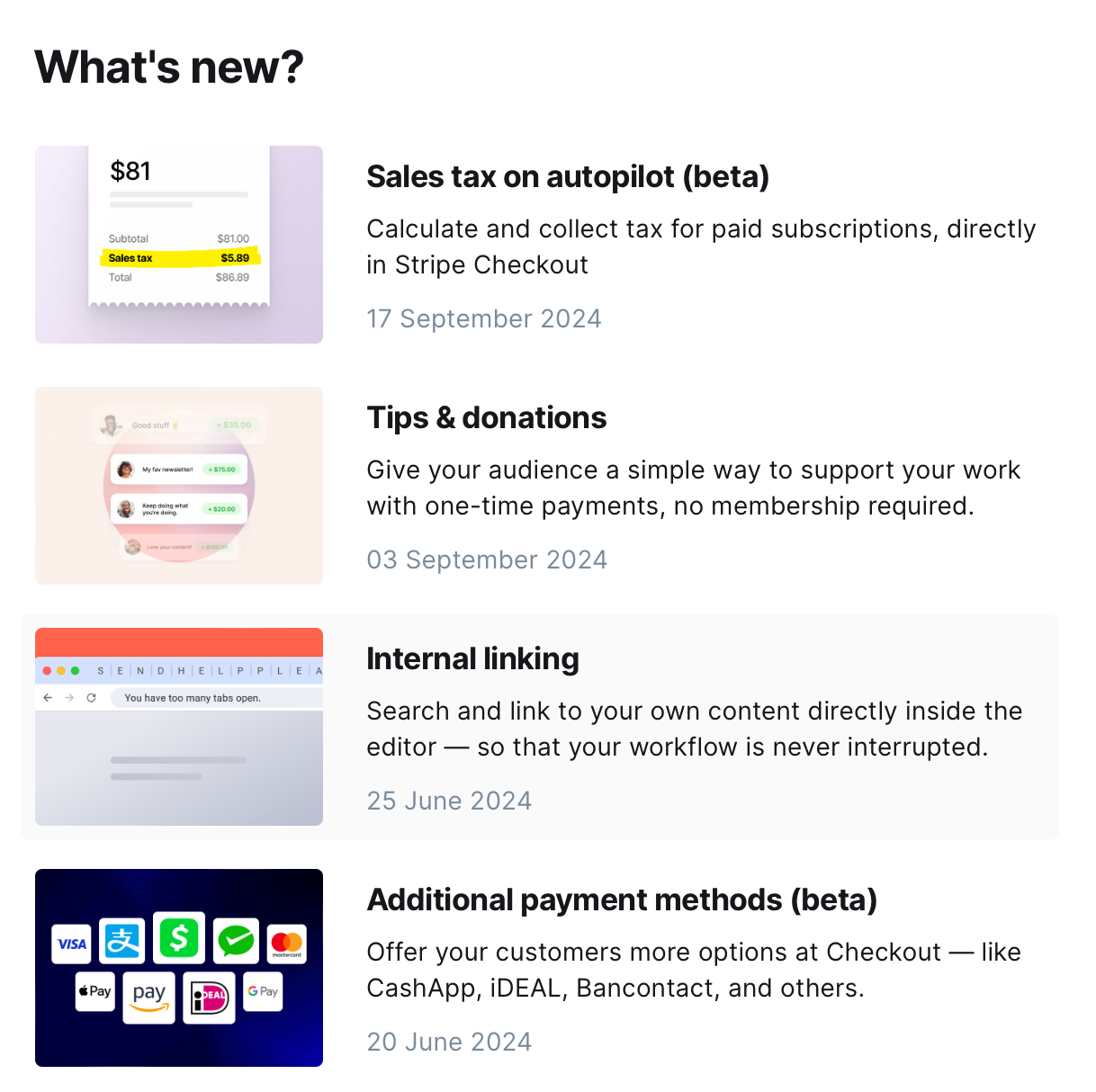
My objectives don’t align with the platform I’m using, which gives me pause. Every once in a while, it will even lead to a thought like if I find a niche and devote more time to publishing, maybe I could make this a side gig but thankfully, those thoughts are transitory. Ultimately, setting aside questions of feasibility, that’s not why I’m doing this.
Research shows that turning your hobby into a side gig isn’t particularly fulfilling. Pete Brown writes about this on his blog, Exploding Comma.
I continue to stand by my long-held belief that getting paid to do what you love is toxic and inevitably leads to either hating the thing you love because you are dependent upon it for your livelihood or hating yourself because of the compromises you are forced to make.
This is called the overjustification effect.
The overjustification effect is a phenomenon in which being offered an external reward for doing something we enjoy diminishes our intrinsic motivation to perform that action. If we enjoy playing volleyball, for example, our motivation to play is reduced if we’re offered money to do so according to this effect.
The overjustification effect is bad enough if you have the ability to actually make a reasonable amount of money doing what you love, but most people shouldn’t have that expectation about writing for an audience on the internet. So, I do feel a sort of resentment when I feel the constant pressure from Ghost to chase some sort of fantasy about turning my writing into a business.
Admittedly, in some respects, it’s understandable for Ghost. The fact that I’m using their open-sourced software on another host and not paying them a thin dime means that I’m reliant upon their business model to support the development of the platform. It’s a model that seems to be working, at least to some extent, for Ghost and several other software manufacturers (particularly in the open-source B2B space).
Where I might be ending this train of thought is in the recognition that I’ve got to accept that this is how Ghost is powering their business. Ultimately, that is what supports a feature-rich personal publishing tool being available gratis for anyone.

Treasure Hoard
Sign up for Treasure Hoard to receive email digests in your inbox.